
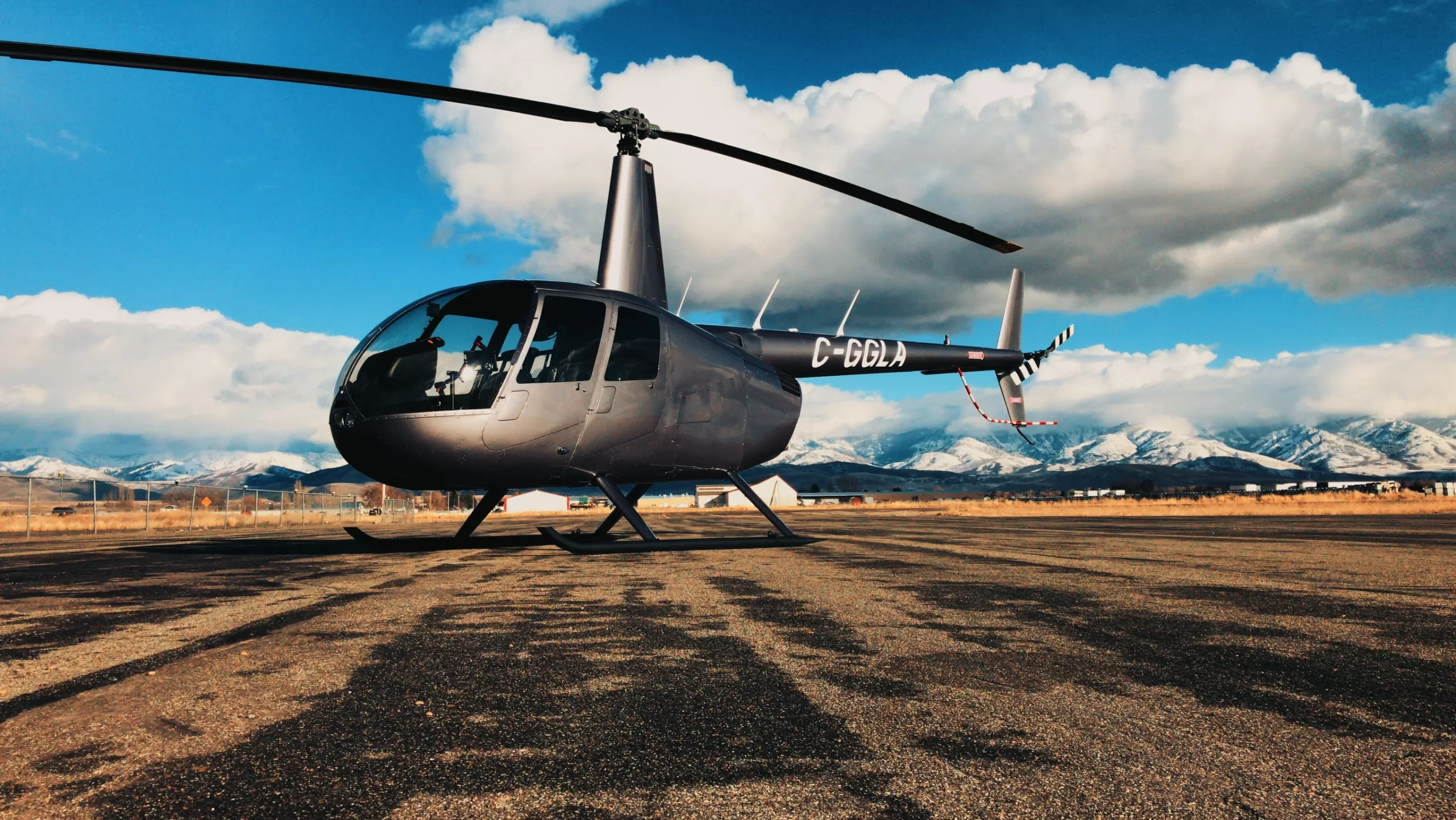
If you are considering buying a Robinson R44, or already own one, understanding how the maintenance schedule works is essential.
This is not complicated, but it is important. Maintenance on the R44 follows a structured inspection program built around flight hours and calendar time. Knowing what comes due, and when, helps you plan ownership costs, reduce downtime, and avoid surprises.
How the R44 Inspection Schedule Is Structured
R44 maintenance is based primarily on flight hours. As the helicopter accumulates time, inspections build on one another, larger intervals include everything from the smaller intervals, plus additional tasks.
The core scheduled inspections are:
- 50 hours
- 100 hours
- 300 hours
- 500 hours
Each interval adds to the one before it. The 100-hour inspection includes everything in the 50-hour inspection, plus more. The 300-hour and 500-hour events introduce additional component inspections, servicing, and replacement items specified in Robinson’s maintenance manual.
Separate from the hourly program, Transport Canada requires an annual inspection every 12 months, regardless of how many hours have been flown.
The 50-Hour Inspection
Every 50 flight hours, the helicopter goes in for a routine inspection.
This includes:
- Oil and filter change
- Lubrication of specified components
- Adjustments
- General system checks
For most private owners, this is the most frequent scheduled event. It is relatively straightforward and keeps the helicopter in good running condition between larger inspections.
The 100-Hour Inspection
At 100 hours, the inspection becomes more comprehensive.
It covers everything in the 50-hour inspection, plus additional maintenance and inspection items. For owners flying around 100 hours per year, the 100-hour inspection is the most significant scheduled event in a typical ownership year.
The 300-Hour and 500-Hour Inspections
At 300 and 500 hours, more significant maintenance comes due.
These events introduce additional component inspections, servicing tasks, and replacement items specified by Robinson’s maintenance schedule. Owners who fly commercially or accumulate hours quickly will reach these milestones sooner. When buying a used R44, knowing where the aircraft sits relative to these intervals matters, they affect both short-term maintenance costs and overall aircraft value.
The Annual Inspection
Regardless of flight hours, Transport Canada requires an annual inspection every 12 months.
This inspection also captures certain calendar-based maintenance requirements that are time-driven rather than hour-driven. Two common examples:
- ELT: inspected annually
- Altimeter and transponder certification: typically required every 24 months when applicable
For a private owner flying limited hours, the annual inspection may arrive before the next hourly milestone. It still needs to happen.
How Most Private Owners Approach It
For owners flying fewer than 100 hours per year, maintenance is relatively manageable.
A common approach: complete a 50-hour inspection during the year, then schedule the annual inspection to coincide with the 100-hour inspection. Combining these two events reduces downtime, minimizes trips to the maintenance facility, and is generally the most cost-effective approach.
One visit covers both requirements. That is the kind of planning that makes a meaningful difference in total ownership cost over time.
Commercial and High-Utilization Operators
Owners who fly more frequently, or operate commercially, will progress through the inspection schedule more quickly.
The 300-hour and 500-hour maintenance events arrive sooner. Maintenance planning becomes more active. Cost-per-hour budgeting needs to account for a faster cadence of scheduled work.
The principle is the same regardless of utilization: scheduled inspections at predetermined intervals keep the helicopter safe, reliable, and compliant. The difference is how often those intervals arrive.
What This Means When Buying a Used R44
Maintenance status is one of the most important things to evaluate before purchasing a used R44.
Key questions to ask:
- Where is the airframe in the inspection cycle?
- When was the last 100-hour, 300-hour, or 500-hour inspection completed?
- When is the next annual inspection due?
- Are the maintenance records complete?
- Are there any deferred items?
An aircraft that looks clean on paper can look different once you understand where it sits in the maintenance schedule. Buying close to a major inspection event without accounting for that cost is one of the more common mistakes first-time buyers make.
→ Learn more about buying a Robinson helicopter
Maintenance and Resale Value
A well-maintained R44 with complete records is easier to sell, and typically commands better value.
Buyers look at maintenance history because it tells them what the aircraft has been through and what is coming due. Gaps in records, deferred work, or unknown component status all reduce buyer confidence and affect what an aircraft will bring at sale.
Keeping up with the scheduled maintenance program is not just about airworthiness. It protects the value of the asset.
→ Thinking about selling your R44? Aerial Recon can help.
Working With a Maintenance Facility That Knows Robinson
Not all maintenance facilities have the same familiarity with Robinson helicopters.
A shop that regularly works on R44s will know the nuances of the inspection program, understand common service bulletins, and be positioned to identify issues before they become larger problems. For Canadian owners, finding a qualified facility with Robinson experience is worth the effort.
Aerial Recon can help connect buyers with the right resources.
Summary: R44 Maintenance at a Glance
| Interval | What It Includes |
| Every 50 hours | Oil/filter change, lubrication, adjustments, system checks |
| Every 100 hours | Everything in 50-hour, plus additional inspection items |
| Every 300 hours | Adds component inspections, servicing, specified replacements |
| Every 500 hours | Most comprehensive hourly event; significant maintenance items |
| Every 12 months | Annual inspection (required by Transport Canada regardless of hours) |
| Every 24 months | Altimeter and transponder certification (when applicable) |
| Annually | ELT inspection |
FAQ
How often does a Robinson R44 need maintenance? The R44 follows a scheduled inspection program based on flight hours: 50, 100, 300, and 500-hour intervals. Transport Canada also requires an annual inspection every 12 months regardless of hours flown.
What is included in an R44 50-hour inspection? A 50-hour inspection typically includes an oil and filter change, lubrication, adjustments, and general system checks. It is the most frequent scheduled maintenance event for private owners.
What is included in an R44 100-hour inspection? The 100-hour inspection includes everything in the 50-hour inspection plus additional maintenance and inspection items. For owners flying around 100 hours per year, this is the most significant annual maintenance event.
Does a Robinson R44 need an annual inspection? Yes. Transport Canada requires an annual inspection every 12 months regardless of flight hours. The annual inspection also captures certain calendar-based requirements such as ELT inspection and altimeter/transponder certification.
Can the 100-hour and annual inspection be done at the same time? Yes, and for most private owners flying fewer than 100 hours per year, combining these two inspections is the most practical approach. It reduces downtime and minimizes trips to the maintenance facility.
How does maintenance affect R44 resale value? A well-maintained R44 with complete records sells more easily and typically commands better value. Buyers review maintenance history to understand what the aircraft has been through and what is coming due. Gaps in records or deferred maintenance reduce buyer confidence and affect pricing.